Psychodeli+
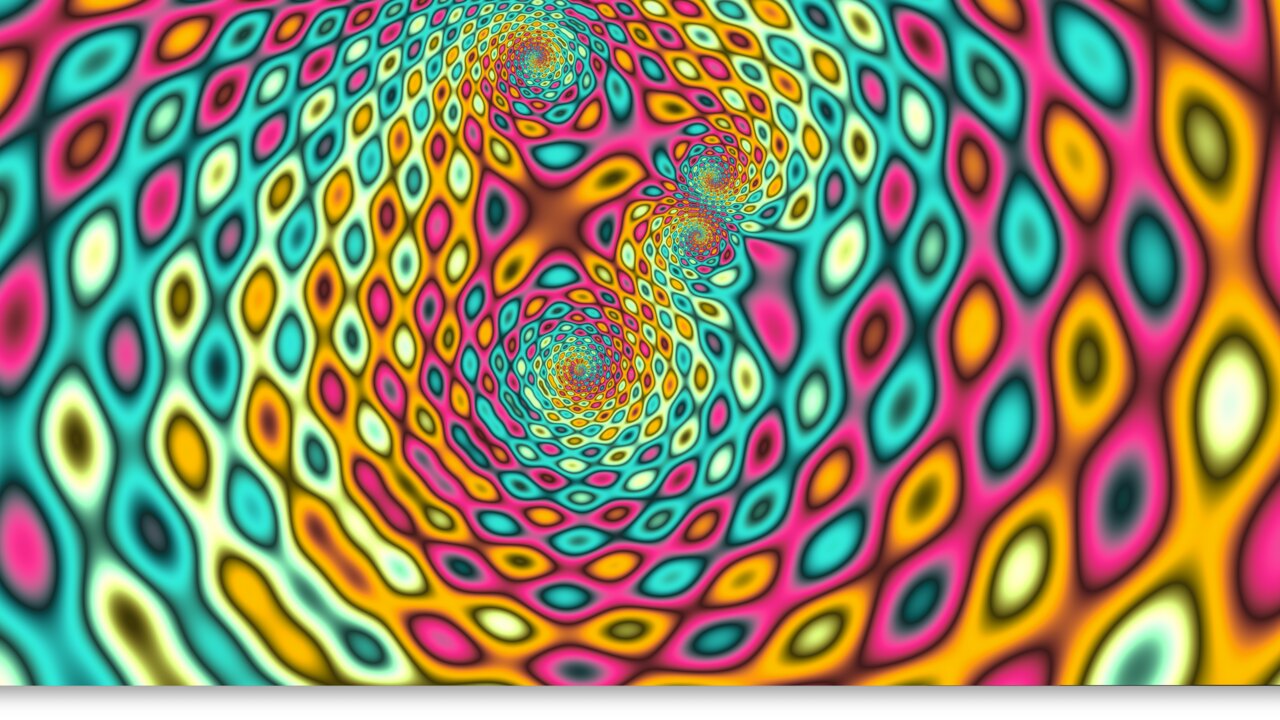
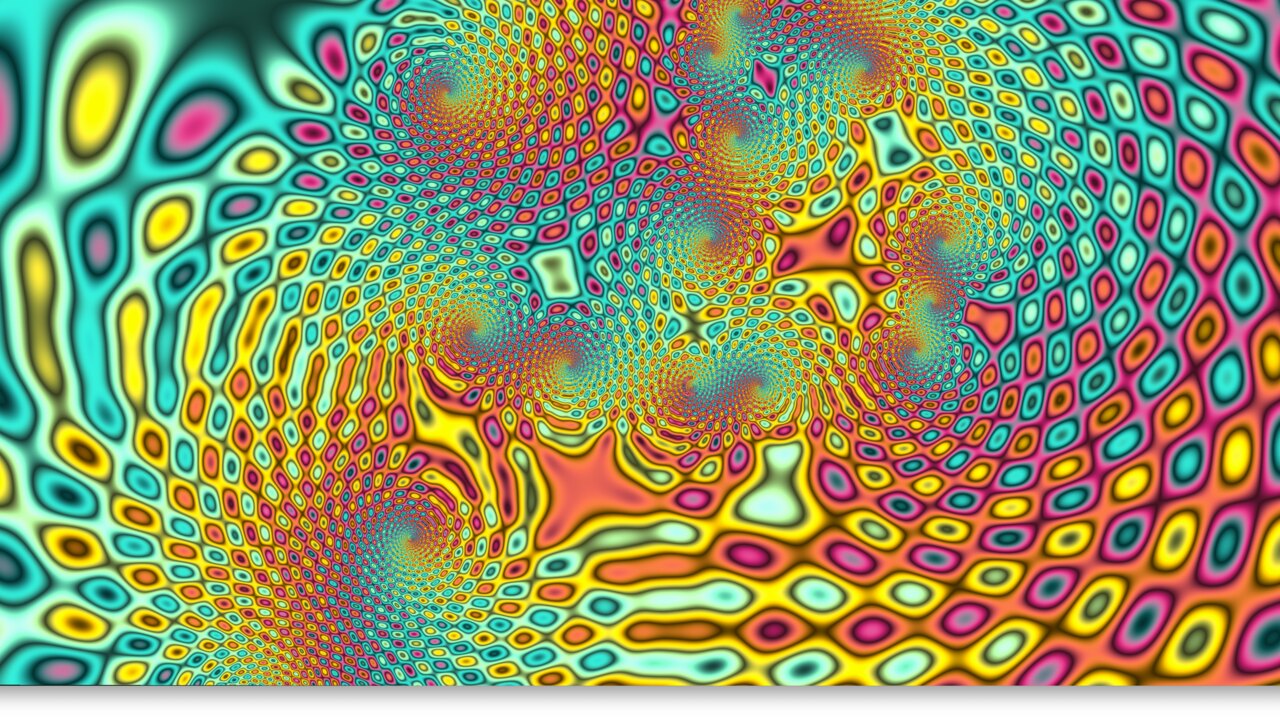
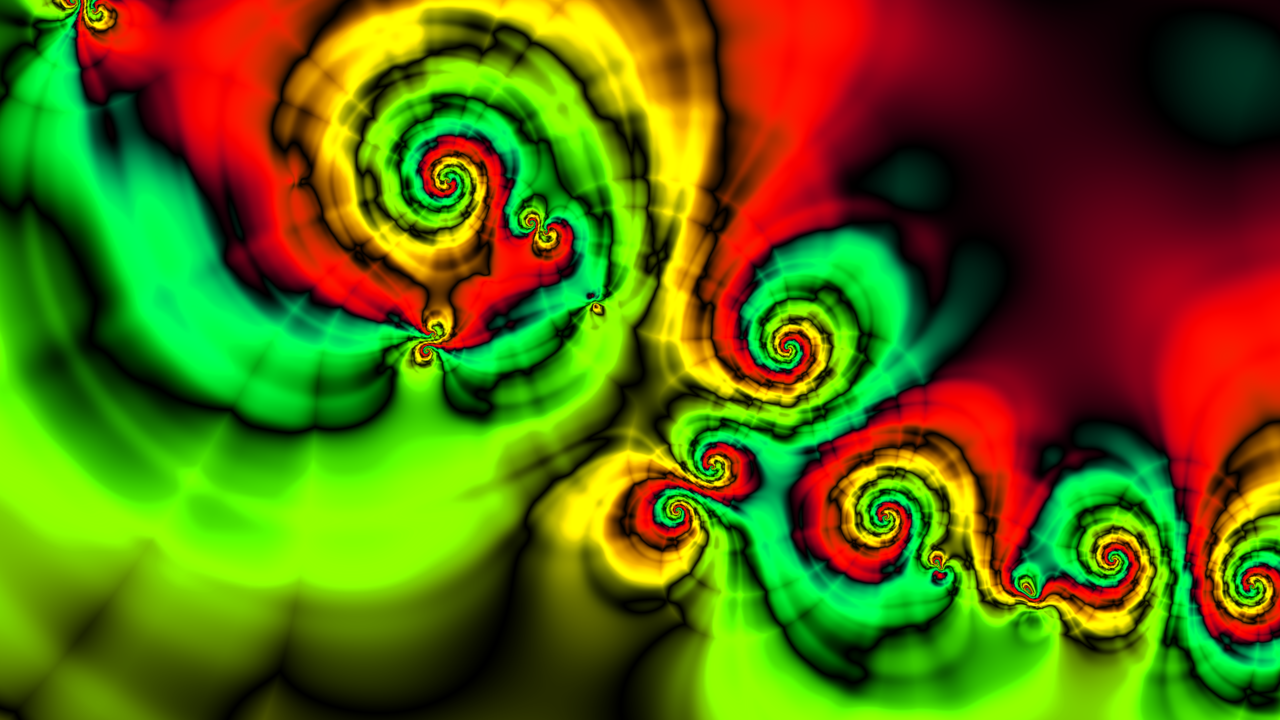
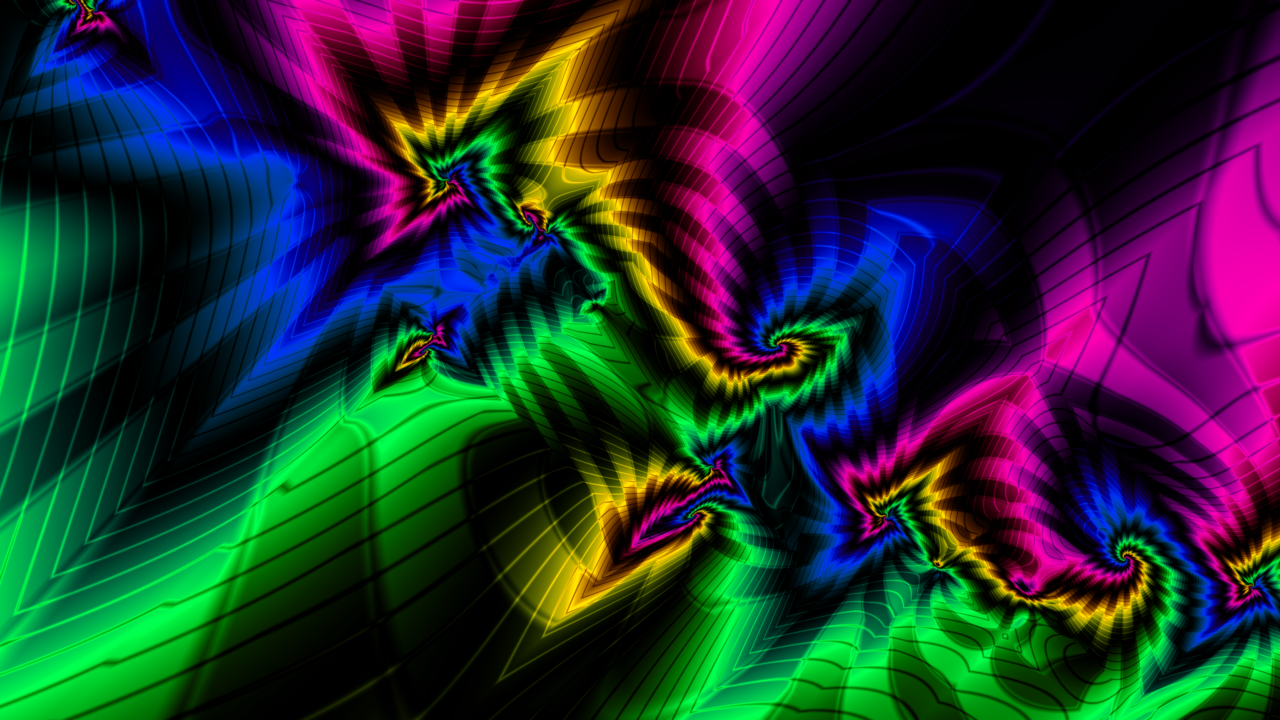
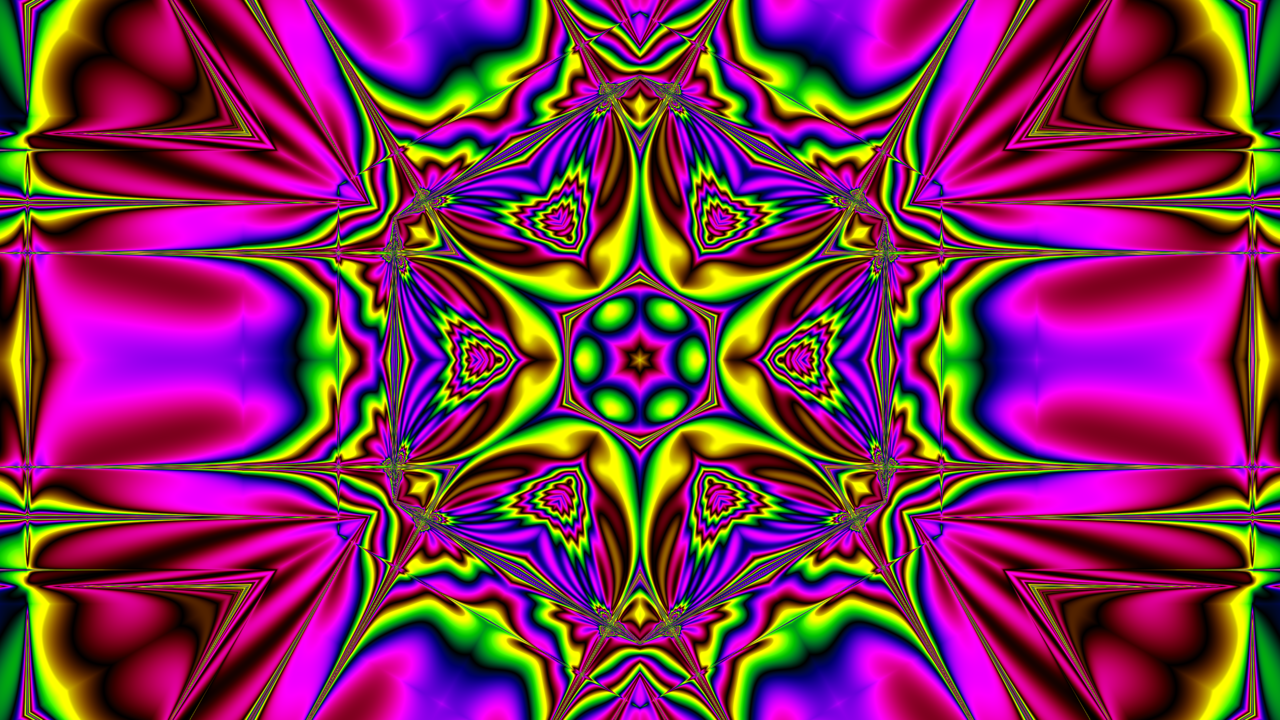
The flagship. Audio-reactive fractals from chaotic-attractor force fields warping transcendental wave functions, with an AI director and a Lorenz attractor that keeps it from ever looping. On every screen you own.
A dance partner for your senses.
Audio-reactive fractals from chaotic-attractor force fields warping transcendental wave functions, with an AI director composing the show. A Lorenz attractor keeps it from ever looping — one flagship, every screen you own.
Experiential science, catalogued by faculty — not platform. Perception, Cognition, and the Generative math underneath. Thirteen projects, every one real running code.
The flagship. Audio-reactive fractals from chaotic-attractor force fields warping transcendental wave functions, with an AI director and a Lorenz attractor that keeps it from ever looping. On every screen you own.
Apple TV
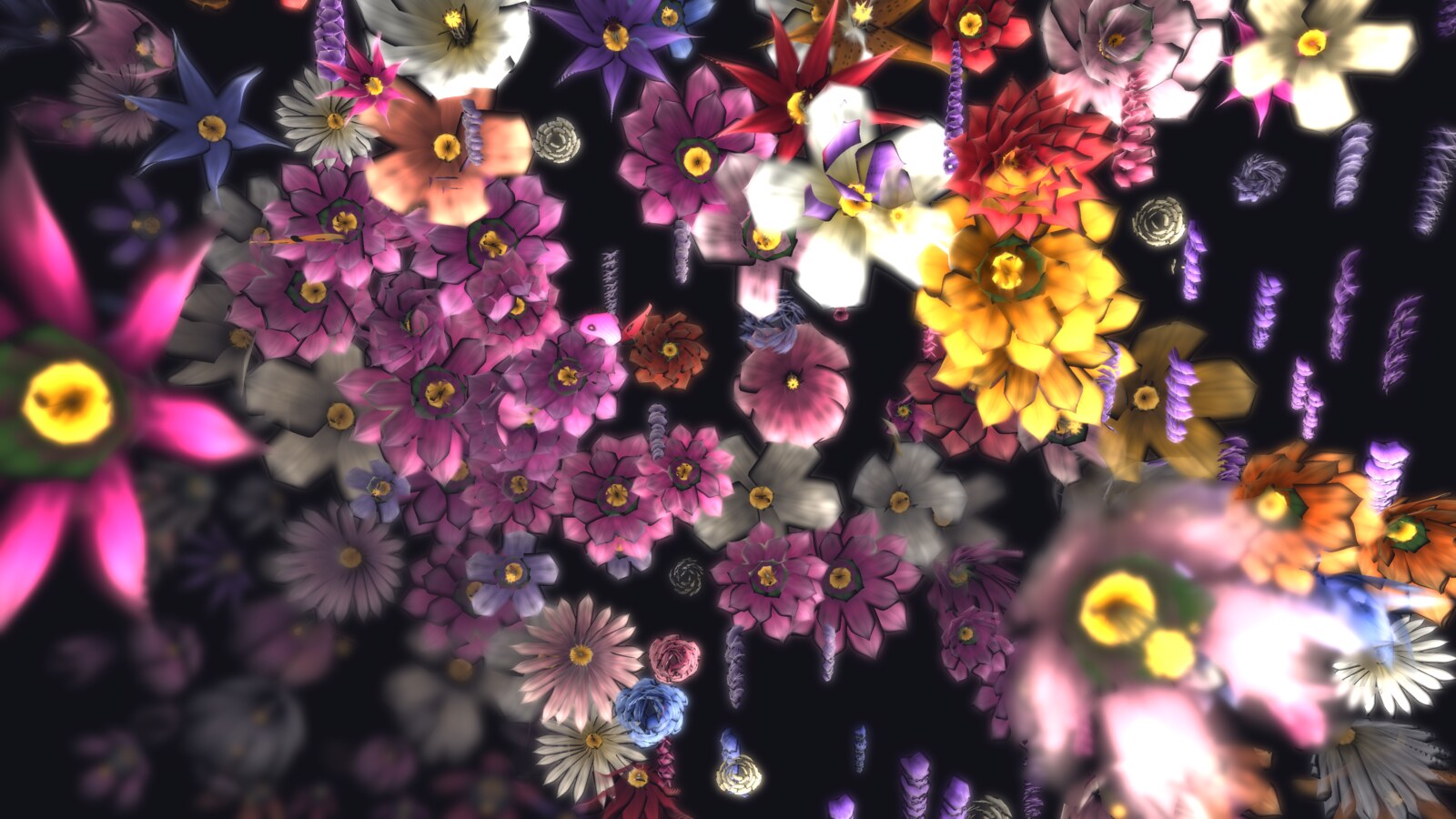
A field of luminous flowers with real depth — near blooms drifting past softly, far banks sinking into the evening air. Twenty-five species across twenty-three gardens on Apple TV, following the light of your day: dew at dawn, butterflies by day, fireflies after dusk. Every few minutes the camera eases in close to one flower, then back out. Fire TV runs the fourteen-species garden.
The same 5-axis particle engine on Amazon Fire TV. 46,000+ unique burst types. AI show director composes 5-minute cycles from opening to finale.
The studio's own design system, open-sourced. A scriptable, multi-channel toolkit — raster, SVG, web, interactive, video, science figures, gaze plots — with brand tokens and an 8:1 contrast audit built in. This site was built with it.
Kinetic protest typography for your TV. 36 curated resistance and solidarity messages across 4 categories. Full-screen Max Fill display, motion-safe animations, OLED-black backgrounds.
Motion type synthesizer. Turns raw text into expressive kinetic typography — RSVP speed reading, protest signs, broadcast-ready animations. Emotion engine, filmstrip preview, GIF export.
Foveated vision simulator. Replaces Gaussian blur with a biologically-grounded peripheral pipeline: retinal ganglion cells, LGN gating, V1 crowding, chromatic decay, cortical magnification. 886+ lines of GLSL modeling six stages of the visual system.
AI-assisted scientific collaboration. Structured validation of perceptual models, literature review, hypothesis testing, and citation verification. Built to keep research honest when working with AI coding agents.
Fisheye menu interaction research from Clemson University. Applying cortical magnification principles to menu navigation — the same foveation science that drives Scrutinizer, applied to UI design.
Open-sourcing lessons from 20 years leading search at scale.
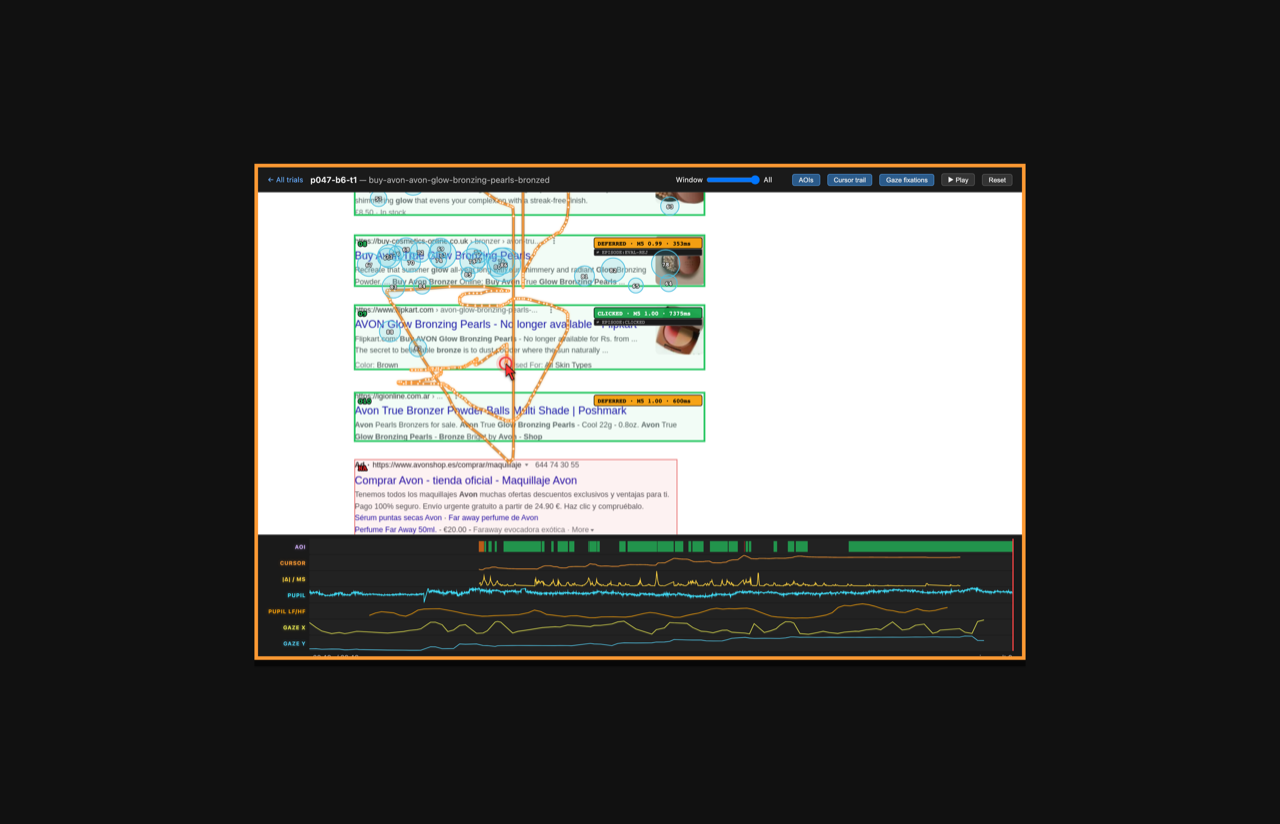
A reanalysis of the AdSERP eye-tracking dataset — full per-element AOI coverage, a new gazeplot, mouse–gaze convergence — paired with Approach/Retreat: drop-in cursor instrumentation that reads how users evaluate each result (clicked, deferred, evaluated-rejected, not-approached) without an eye tracker.
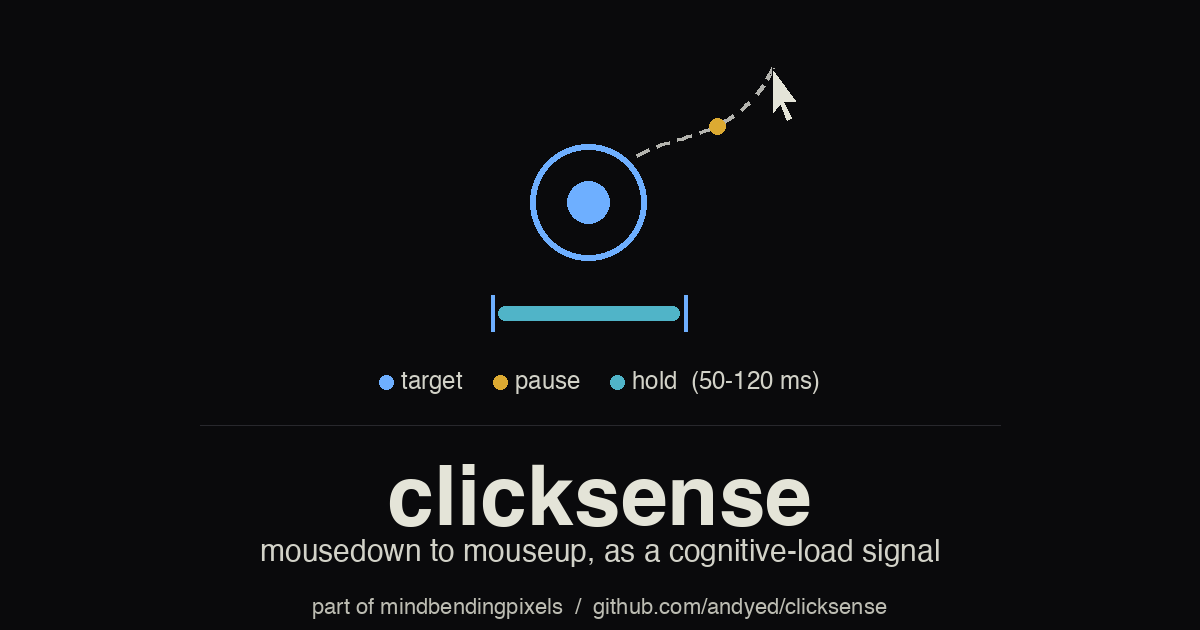
Vendor-agnostic click-confidence measurement — mousedown-to-mouseup latency and approach trajectory as a cognitive-load signal — paired with reading-depth telemetry that tracks how far and how deeply readers engage. Both cookieless. ClickSense is running on this page right now.
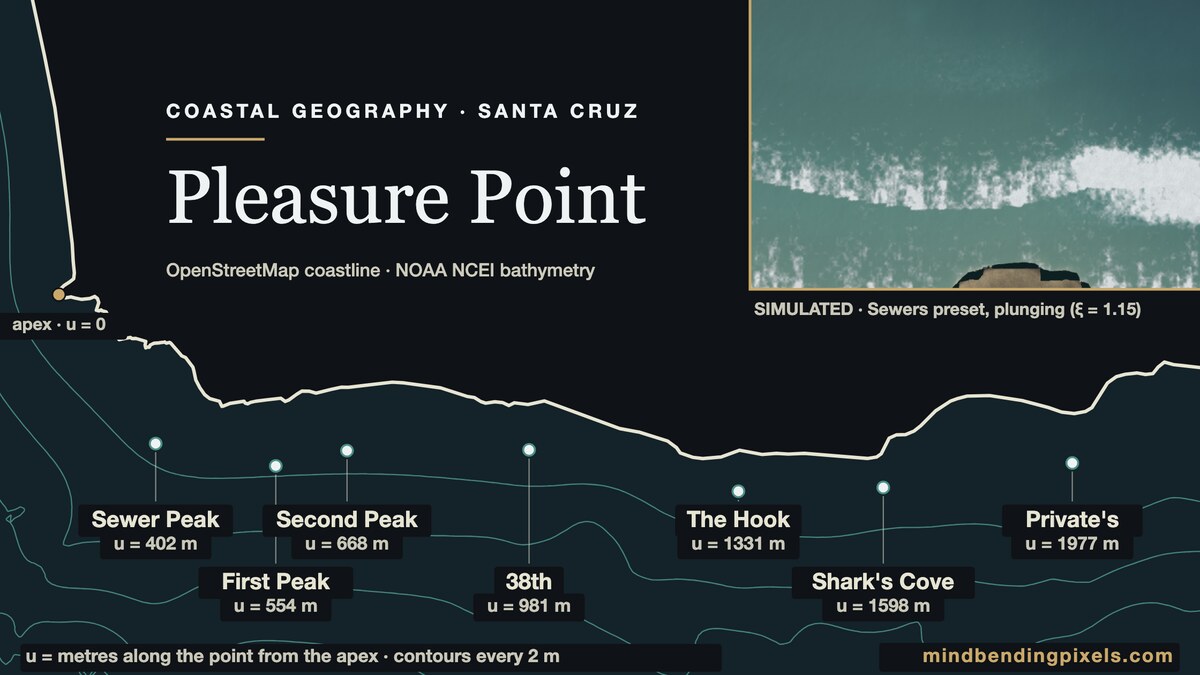
A real-time model of Pleasure Point built from NOAA bathymetry, an OpenStreetMap shoreline, and wave physics. Explore how one reef shapes peel, curl, sets, tide, and seven named breaks. The visual essay exposes both the evidence and the limits; the model remains unvalidated against measured surf.
Three interlocking stories set in a near-future where AI augmentation reshapes what it means to think, remember, and create. Core thesis: AI + Human wins. Told through D3 timelines, skim cards, and stop pages that let you choose your depth.